

In an increasingly demanding regulatory environment, having precise tools to calculate the capital requirement is fundamental. That’s why, in Pirani, we have improved our Capital Requirement module, offering functionalities that allow organizations to adapt the SMA model (Standardized Measurement Approach) to local regulations and Basel-recommended best practices.
In this blog, we explain what improvements have been implemented, why they are important, and how they can benefit your organization.
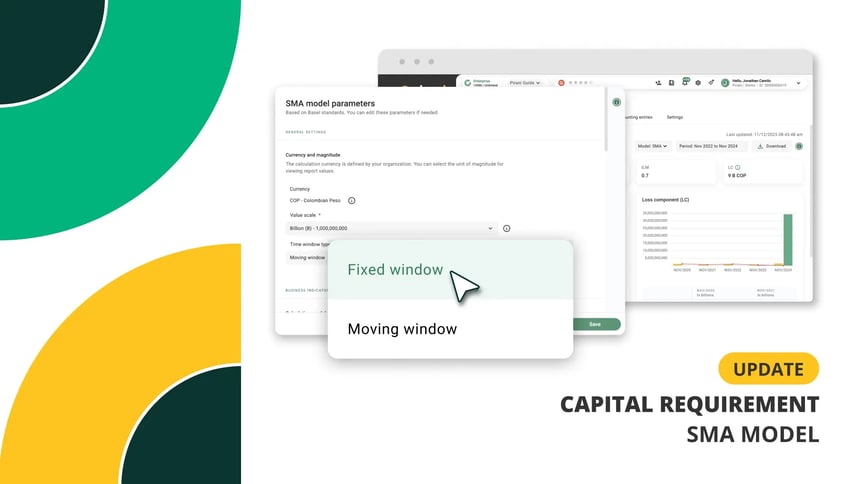
Improvements in the SMA model
With this update, users can now:
- Configure the time window for SMA calculation: choose between a fixed window, rolling window, or a retrospective period from a reference date.
- Select the event accounting date: either the event start date or the loss recognition date.
- Define the type of loss: choose whether to consider gross or net losses for exclusion rules.
These improvements make the calculation of the capital requirement more flexible, transparent, and aligned with local regulation, which is crucial for organizations operating in multiple jurisdictions.
Why these improvements are important
- Adaptation to local regulations: Each country may have different rules for loss accounting and materiality definition. These settings allow your SMA model to comply with the specific requirements of each jurisdiction.
- More accurate capital requirement calculation: By being able to choose the time window, reference date, and type of loss, the results more accurately reflect the operational reality of the organization.
- Risk mitigation and capital optimization: Integrating validated and certified historical data allows reducing the capital requirement without compromising financial strength.
- Greater traceability and control: The system automatically records each execution, ensuring auditability and complete documentation for regulators and auditors.
Benefits for organizations
Implementing these improvements in the SMA model brings concrete advantages:
- Optimized available capital: Avoids overcapitalization and ensures resources are used efficiently.
- Greater financial resilience: By incorporating validated historical data, the organization can anticipate and mitigate operational risks.
- Regulatory compliance ensured: Adjusts calculations to local and global requirements, avoiding sanctions or regulatory adjustments.
- Data-driven strategic decisions: Allows visualizing the real impact of operational losses and making informed capital decisions.
- Flexibility and adaptability: Adjusts to regulatory changes and organizational evolution, whether by size, industry, or operational complexity.
Why it is important to have a capital requirement based on the SMA model
The SMA model is a global standard that combines simplicity and technical robustness, offering several benefits:
- Reduction of regulatory risks: Complies with Basel and other international guidelines.
- Data-driven mitigation: Allows incorporating validated historical losses to adjust required capital.
- Flexibility and adaptability: Can be customized according to the organization’s size, industry, and local regulation.
- Financial optimization: Avoids overcapitalization and ensures resources are used efficiently.
In summary, the SMA model not only helps comply with regulation but also supports strategic decision-making, protecting the organization against unexpected losses and optimizing available capital.
Are you already managing your capital requirement?
Discover here how our module works in the Help Center.
Try it now!
Don’t have the Capital Requirement module? Schedule a demo with our commercial team!

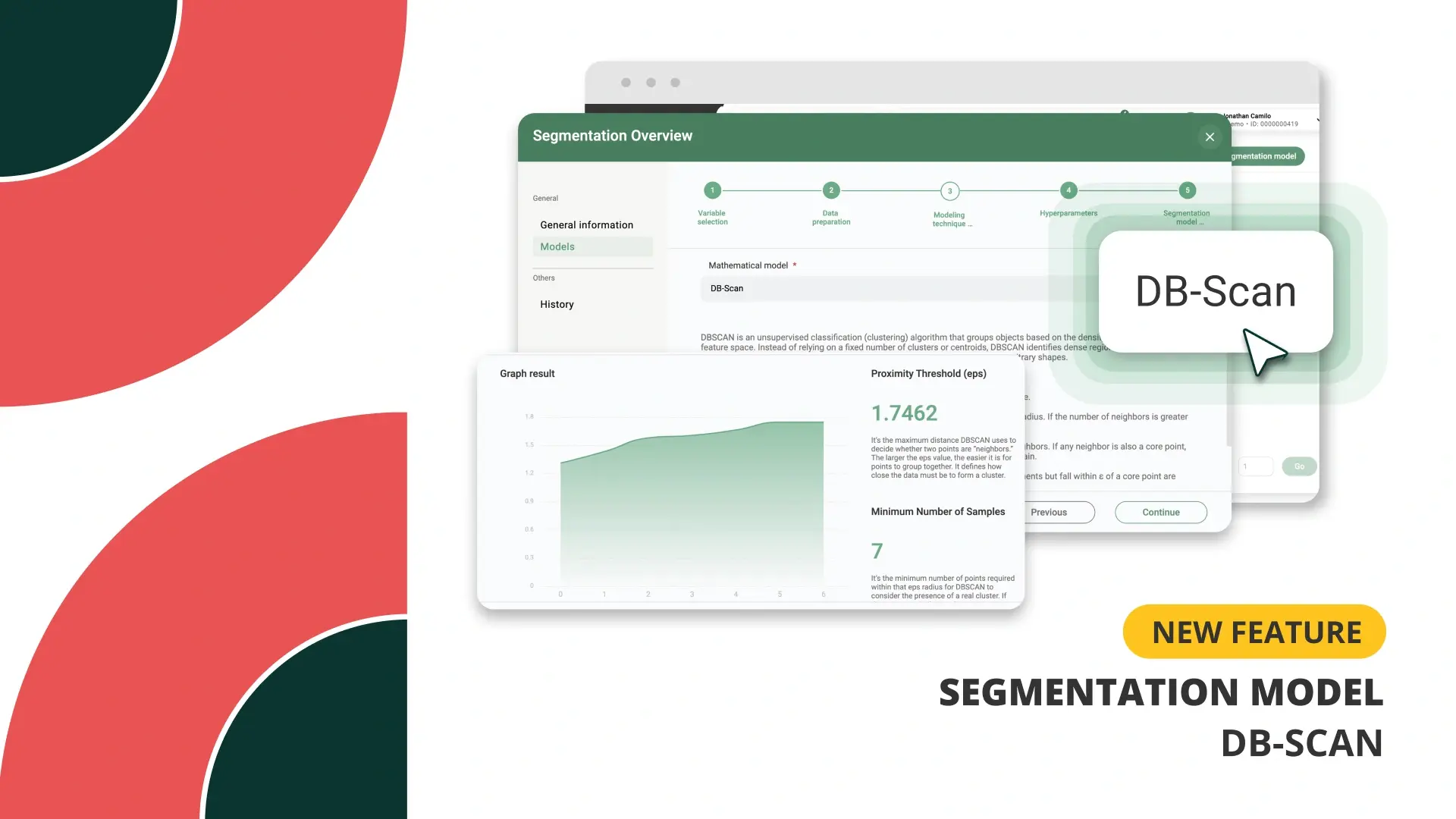
New DBSCAN Model in Pirani: Automated and Robust Segmentation

Assess and monitor your risk systems
.webp)
Quantitative Risk Assessment: More Precision, Less Subjectivity

How to identify the risk of money laundering in companies?

Pirani as Momentum Leader 2025 on the G2 platform

No Comments Yet
Let us know what you think